Mastering the Algorithm: How to Optimize Your Airbnb Listing for Maximum Visibility in 2026
PricEye Team11 min read
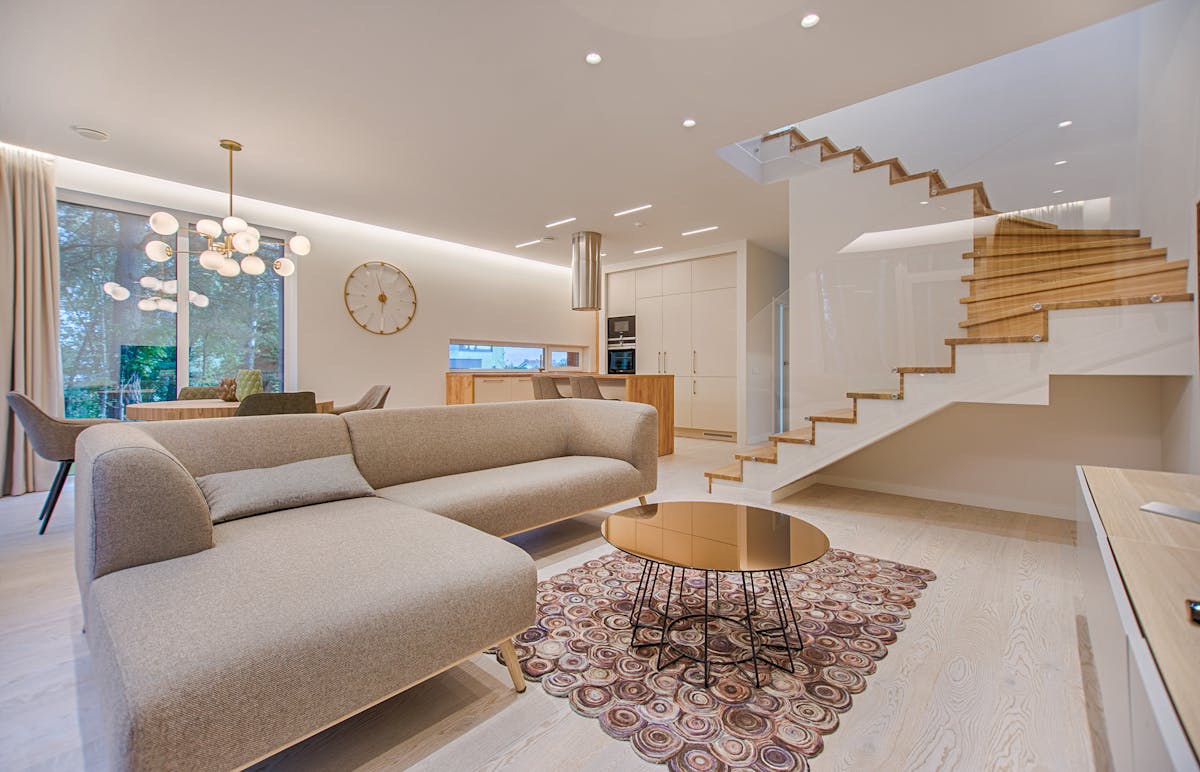
Getting listed on Airbnb is easy. Getting seen is the challenge. With over 7 million active listings globally, the difference between appearing on page one and page five can mean the difference between consistent bookings and an empty calendar. In 2026, Airbnb's algorithm has become more sophisticated -- and more rewarding for hosts who understand how to work with it.
This guide breaks down the specific factors that influence your listing's visibility and provides actionable steps you can implement immediately.
How Airbnb's Search Ranking Actually Works in 2026
Airbnb's search algorithm is designed to maximize one metric above all others: the probability that a guest who sees your listing will book it. Everything the algorithm considers -- pricing, photos, reviews, response time, cancellation history -- feeds into this central prediction.
The algorithm evaluates listings across several dimensions:
**Relevance.** Does your listing match what the guest is searching for? This includes location, dates, guest count, price range, and amenity filters. If a guest searches for a pet-friendly apartment for 4 guests in Barcelona, listings matching all these criteria rank higher than those matching only some.
**Quality signals.** Airbnb uses your review scores, Superhost status, response rate, and cancellation rate as proxies for guest satisfaction. Higher-quality listings get more visibility because they generate better outcomes for the platform.
**Conversion probability.** This is where things get interesting. Airbnb tracks how often your listing is viewed versus booked. A listing that converts 8% of views to bookings will rank higher than one converting at 3%, all else being equal. This is why every aspect of your listing -- from the cover photo to the pricing -- affects your search position.
**Booking velocity.** Properties that receive bookings at a steady pace signal to the algorithm that they're desirable. Gaps in your booking calendar, especially on dates when comparable listings are booked, can suppress your ranking.
Understanding these dimensions allows you to optimize systematically rather than guessing at what works.
Listing SEO: Crafting Titles and Descriptions That Convert
Your listing title and description serve dual purposes: they help Airbnb's algorithm match your property to guest searches, and they persuade human guests to click and book.
**Title optimization.** Your title has a 50-character limit. Use it strategically. Include your property's primary selling point and location context. "Sunny 2BR with Sea View - Old Town" outperforms "Nice Apartment" in both algorithmic matching and click-through rate.
Avoid generic superlatives like "amazing" or "stunning" -- every host uses them, so they provide zero differentiation. Instead, focus on specific, tangible features: "Rooftop Terrace," "Walk to Beach," "Workspace + Fast WiFi," "Heated Pool." These are the terms guests actually search for.
**Description structure.** Airbnb's algorithm parses your description for amenity keywords, even beyond what you've selected in the amenities checklist. Mention specific features naturally throughout your text: "The fully equipped kitchen includes a Nespresso machine, dishwasher, and induction cooktop."
Write your first paragraph for humans -- it should create an emotional connection and establish your property's unique value. Write the remaining paragraphs for both humans and the algorithm, weaving in searchable terms naturally.
**The space description.** Use the dedicated "space" section to provide practical details: exact square footage, bed configurations, bathroom details, and storage space. Guests comparing multiple listings appreciate specificity, and specific listings convert better.
**Neighborhood description.** This section is underutilized by most hosts. Detail walking distances to landmarks, restaurant recommendations, transit options, and local tips. This builds trust and helps the algorithm match your listing to guests searching for your specific area.
Photography That Drives Clicks and Bookings
Your cover photo is the single most important element of your listing. It determines whether a guest clicks through from search results or scrolls past. In 2026, the bar for listing photography has risen substantially.
**Cover photo rules.** Your cover photo should show the most impressive aspect of your property from its most flattering angle. Wide-angle shots work best because they convey spaciousness. Natural light is non-negotiable. The shot should include at least one lifestyle element -- a set dining table, an open book on the terrace, a coffee cup on the kitchen counter -- to help guests visualize themselves in the space.
**Photo sequence matters.** After the cover photo, arrange images in a logical flow that mimics a property tour: entrance, living area, kitchen, bedrooms, bathrooms, outdoor space, building exterior, neighborhood highlights. This narrative structure keeps guests engaged through the full gallery.
**Modern photography trends for 2026.** Twilight exterior shots with interior lights glowing warmly. Overhead drone shots for properties with gardens or unique locations. Detail shots of high-end amenities and finishes. Seasonal variations -- update your photos quarterly to show the property in its current best light.
**What to avoid.** Heavily filtered or HDR-processed images that look artificial. Photos taken with flash. Images with visible clutter, personal items, or cleaning supplies. Shots that distort room sizes -- guests who feel misled will leave negative reviews.
Professional photography is no longer optional for competitive listings. The investment typically pays for itself within the first month through improved conversion rates.
The Pricing Signal: Why Your Rate Affects Your Rank
Pricing and search ranking are more intertwined than most hosts realize. Airbnb's algorithm considers pricing competitiveness as a direct factor in search positioning.
A listing priced significantly above the market median for its category gets fewer clicks, which reduces its conversion rate, which lowers its ranking. Conversely, a listing priced slightly below market median gets more clicks and bookings, reinforcing its ranking.
This creates a feedback loop where well-priced listings become more visible, which generates more bookings, which further improves their ranking. Static pricing breaks this loop because your price is only "right" for a narrow range of market conditions.
Dynamic pricing tools like PricEye keep your listing in the algorithm's sweet spot: competitive enough to maintain strong conversion rates, but not so low that you sacrifice revenue. The goal isn't to be the cheapest -- it's to offer the best value at the right price point for current market conditions.
PricEye's data shows that listings using dynamic pricing consistently rank 15-20% higher in Airbnb search results compared to identical listings using static pricing. This visibility boost compounds the direct revenue benefit of optimal pricing.
Instant Book and Response Time: Non-Negotiable Signals
Airbnb has been pushing Instant Book aggressively, and in 2026, it's essentially required for competitive search positioning. Listings with Instant Book enabled receive a significant ranking boost because they offer a frictionless booking experience.
If you're hesitant about Instant Book, use the available guardrails: require guests to have a government ID, positive reviews, and a complete profile. You can also set up pre-booking requirements and house rules that guests must acknowledge before booking.
**Response time** is the other non-negotiable metric. Airbnb tracks how quickly you respond to inquiries and booking requests. A response time under one hour earns you the "fast responder" badge and a measurable ranking boost. Response times over 24 hours actively suppress your listing.
Set up mobile notifications and template responses for common questions. If you manage multiple properties, consider using a property management system that centralizes messaging.
Review Management: A Strategic Approach
Reviews affect your ranking both directly (through your overall rating and review count) and indirectly (through their influence on conversion rates). A strategic approach to reviews can meaningfully improve your visibility.
**Earning 5-star reviews.** The gap between 4.7 and 4.9 stars is enormous in terms of search ranking. Focus on the areas that most commonly cause rating drops: cleanliness (most common complaint), accuracy of listing description (manages expectations), and communication (responsiveness and helpfulness).
Over-deliver on the basics. A spotlessly clean property with fresh linens and a welcome guide handles 80% of potential complaints. Add small touches -- a local snack, a handwritten welcome note, specific restaurant recommendations -- to push reviews from 4 stars to 5.
**Review velocity.** Recent reviews carry more weight than older ones. A listing with 10 recent five-star reviews outranks a listing with 200 reviews averaging 4.6. Encourage reviews by sending a thoughtful check-out message thanking guests and gently reminding them that reviews help your small business.
**Responding to reviews.** Respond to every review, positive and negative. For negative reviews, respond professionally and specifically -- address the concern, explain what you've done to fix it, and thank the guest for their feedback. Future guests read your responses, and a graceful handling of criticism can actually increase trust.
Amenities That Actually Move the Needle
Not all amenities are created equal. Some genuinely improve your ranking and conversion rate; others have minimal impact. Focus your investment on amenities that guests actively filter for in search.
**High-impact amenities for 2026:** Reliable high-speed WiFi with posted speed test results. A dedicated workspace (still critical for the remote work demographic). Self check-in with smart lock or lockbox. Free parking where applicable. A washer and dryer. Air conditioning or heating depending on your climate. A fully equipped kitchen.
**Rising-importance amenities:** EV charging capability. Blackout curtains (increasingly mentioned in positive reviews). Sound machines or white noise machines for urban properties. Universal USB-C charging ports at bedsides. Streaming services already logged in on smart TVs.
**Overrated amenities:** Swimming pools in urban settings (expensive to maintain, limited impact on conversions). Hot tubs (unless you're in a rural or resort market). Extensive book collections or board games (nice to have, zero impact on search ranking).
The key principle: invest in amenities that guests filter for when searching. Every amenity filter you match increases your listing's pool of potential viewers.
Putting It All Together: Your 30-Day Optimization Plan
Here is a practical timeline for implementing these optimizations:
**Week 1: Foundation.** Audit your listing title and description against the guidelines above. Rewrite both with keyword optimization in mind. Enable Instant Book if you haven't already. Set up mobile notifications for rapid response.
**Week 2: Visual upgrade.** Schedule professional photography. In the meantime, reshoot your worst-performing photos using natural light and the composition principles above. Reorder your photo gallery to follow the property-tour narrative.
**Week 3: Pricing intelligence.** Connect your property to PricEye and set up dynamic pricing with your preferred min/max boundaries. Review the initial pricing recommendations to understand your market positioning. Let the algorithm run for a week and observe the results.
**Week 4: Review and refine.** Analyze your booking data from the first three weeks. Identify which optimizations drove the most improvement. Adjust your pricing boundaries based on actual booking patterns. Implement any missing high-impact amenities.
Repeat this cycle monthly. The algorithm rewards consistency and continuous improvement. Properties that actively optimize their listings see compounding benefits: better rankings, more bookings, higher revenue, more reviews, even better rankings.
The hosts who dominate search results in 2026 aren't the ones with the biggest properties or the lowest prices. They're the ones who treat their listing as a product and systematically optimize every touchpoint of the guest experience, from the first search result impression to the final review.
Ready to maximize your rental revenue?
Join hosts who earn 20% more with PricEye AI's transparent dynamic pricing. Start your 30-day free trial -- no credit card required.